
If you’re considering adding insulation to your Western Michigan home, one of your first questions may be whether the investment is worth it and when you might see a return.
If you search for what does insulation pay back, you may see information about rebates or incentives available to Western Michigan homeowners. But those programs can change, expire, or come with eligibility rules that make the answer less straightforward.
Another way to look at insulation payback in Michigan doesn’t depend on an incentive program. When air sealing and insulation are done together, homeowners can save an estimated 15% on heating and cooling costs. A better-insulated home can stay more comfortable year-round. When it comes time to sell, research has found price premiums of 2% to 8% for energy-efficient homes in many markets.
For Kent County homeowners, those returns can continue long after installation. Energy savings from insulation are only part of the payoff, along with better comfort and potential added long-term value.
The Energy Savings Payback
ENERGY STAR’s 15% Benchmark
Energy savings are the first thing most homeowners think about when considering insulation ROI in Michigan. Homeowners can save an average of 15% on heating and cooling costs and about 11% on total energy costs by air sealing their homes and adding insulation. The 15% estimate assumes air sealing and insulation work together, not insulation alone.
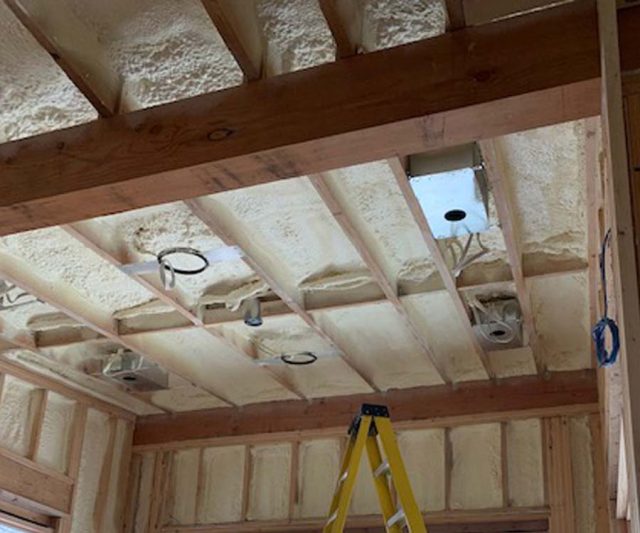
According to the methodology used for the estimate, the work includes sealing leaks around attics, floors over crawlspaces, and basements, then improving insulation. Otherwise, heated or cooled air can keep escaping through cracks and openings, even after you add more insulation.
That can make a noticeable difference in West Michigan. Kent County falls within IECC Climate Zone 5A insulation guidelines, a cool-humid climate with a long heating season.
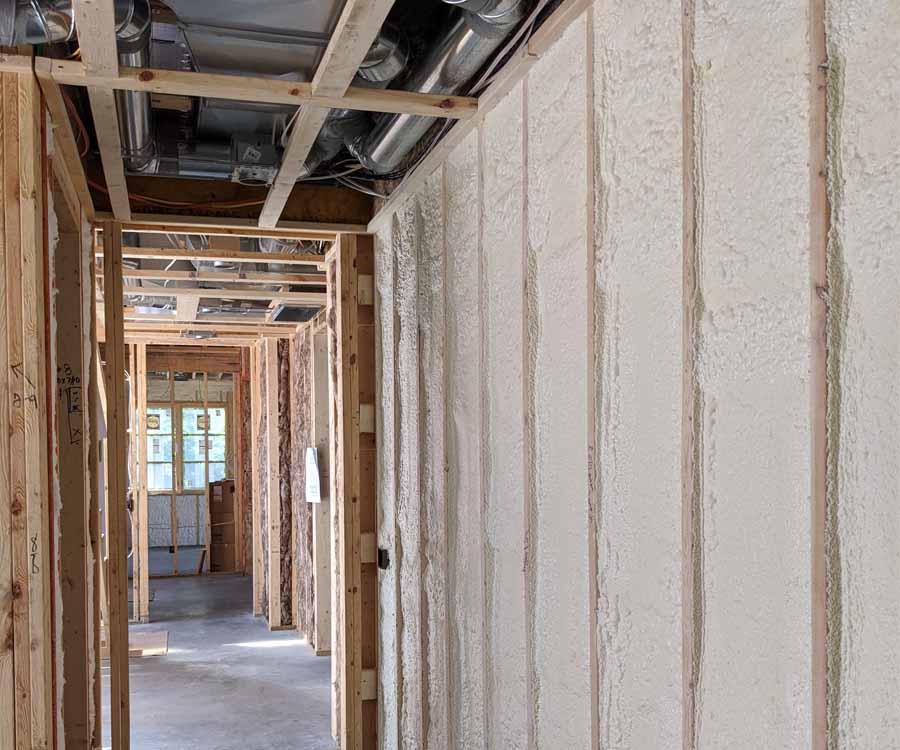
When your heating system runs for months at a time, losing warm air through an under-insulated attic, basement, or other gaps means paying to replace that heat again and again. Sealing those leaks and improving insulation helps keep more of it inside. Because spray foam insulation can insulate and air seal in one step, it may be an option when you need to address both heat loss and air leakage.
The Comfort Payback
Beyond the Thermostat
Lower energy use is only part of the return.
The benefits of insulating your home can also show up in small ways you notice every day. Maybe the bedroom at the end of the hall doesn’t feel quite so cold anymore. Upstairs rooms may stay closer in temperature to the rest of the house, and you may not reach for the thermostat as often.
Sealing and insulating can also reduce outside noise, limit pollen, dust, and pests from entering the home, improve humidity control, and lower the chance of ice dams during snowy winters.
For many homeowners, Grand Rapids insulation comfort is less about a number and more about how the house feels. A room that used to be chilly every January may finally feel like the rest of the home. An upstairs space may be easier to keep comfortable when July turns hot and humid.
Humidity control can also help homeowners better manage moisture-related risks in wall and attic assemblies. Material choice also plays a role. Fiberglass and cellulose insulation are vapor-permeable, which can help wall and attic assemblies dry rather than trap moisture. Which insulation makes sense depends on the location, how the home is built, and whether air leaks need attention at the same time.
Air sealing and insulation savings may start with the energy bill, but the comfort changes can be just as noticeable.
The Long-Term Payback: Home Value & Protection
Resale Premiums Backed by Data
Homeowners often ask: Does insulation increase home value?
An insulation project by itself can’t guarantee a higher selling price. But research has found that rated, energy-efficient homes can sell for more than comparable homes without those features.
Studies of rated, energy-efficient homes have found that they often sell for 2% to 8% more in many markets. One national study found that single-family homes had an average premium of 2.7%. These numbers are based on the home’s total energy performance, not only its insulation. They show that energy efficiency adds value beyond heating and cooling savings.
Another long-term benefit is helping protect the home from gradual damage, which is harder to put a percentage on.
Better humidity control and a reduced risk of ice dams can help lessen moisture-related wear on roofing, drywall, and framing over time. This is especially relevant in Grand Rapids, where freeze-thaw cycles and lake-effect humidity expose homes to changing conditions year-round. Good insulation and air sealing help the house handle these seasonal changes more consistently.
For homes in IECC Climate Zone 5A, attic insulation recommendations commonly range from R-49 to R-60, depending on the existing insulation and how the attic is built.
FAQ
Does insulation really pay for itself over time?
It can provide more than one kind of return. Air sealing and added insulation can reduce heating and cooling costs by an estimated 15%. Homeowners may also notice more consistent temperatures and better humidity control. Research on rated energy-efficient homes has also found resale premiums ranging from 2% to 8%.
What R-value should a Western Michigan attic have?
For homes in Climate Zone 5A, recommended attic insulation levels generally range from R-49 to R-60. How much you need will depend in part on the insulation already in place and how the attic is constructed.
Does insulation increase home resale value?
Rated, energy-efficient homes have sold at premiums ranging from 2% to 8% in many markets, including an average 2.7% premium for single-family homes in one national analysis. Insulation contributes to a home’s overall energy performance, but it isn’t the only factor behind those numbers.
 Is spray foam or fiberglass the better investment for a Western Michigan home?
It depends on where the insulation is going and what problem you’re trying to solve. Spray foam insulation can insulate and air seal at the same time, which makes it useful around rim joists and basements. Fiberglass insulation and cellulose work well in many attics and wall assemblies where vapor permeability matters.
Do I need to air seal before insulating to get the full payback?
Yes. The 15% estimate is based on air sealing and insulation savings together, not insulation alone. Sealing leaks first, or doing both as part of the same project, helps keep conditioned air from escaping through openings that the insulation itself won’t close.
Insulation doesn’t need a rebate program to provide a return. The payback can come through lower energy use, more comfortable rooms, and documented resale premiums over the years you own the home.
In Kent County, those benefits continue through long heating seasons and changing conditions year-round. A professional assessment can show where insulation is thin, where air is leaking, and which areas need attention first.
Whitson Insulation can evaluate those trouble spots and help determine the right approach for your home. Schedule an estimate to get started.
References
ENERGY STAR. “Why Seal and Insulate?” U.S. Environmental Protection Agency, www.energystar.gov/saveathome/seal_insulate/why-seal-and-insulate. Accessed 25 Aug. 2026.
ENERGY STAR. “Methodology for Estimated Energy Savings from Sealing and Insulating.” U.S. Environmental Protection Agency, www.energystar.gov/saveathome/seal_insulate/methodology. Accessed 25 Aug. 2026.
ENERGY STAR. “Better Resale Value.” U.S. Environmental Protection Agency, www.energystar.gov/newhomes/features-benefits/better-resale-value. Accessed 25 Aug. 2026.
Michigan Department of Environment, Great Lakes, and Energy. “Residential Energy Code Checklist: Michigan Climate Zone 5a.” Michigan.gov, www.michigan.gov/-/media/Project/Websites/egle/Documents/Programs/MMD/Energy/resources/residential-chklst-z5.pdf. Accessed 25 Aug. 2026.