
Spring and Summer Energy Costs in Michigan Start with Your Insulation
As temperatures rise across Grand Rapids, many homeowners focus on air conditioning to stay comfortable. But the real issue often isn’t your HVAC system; it’s what’s happening behind your walls and above your ceiling. Without proper insulation and air sealing, the average home loses significant energy through walls, attics, and basements. The U.S. Department of Energy notes that homeowners can save up to 20% on heating and cooling costs by adding insulation to attics, floors, crawl spaces, and basement rim joists and by reducing air leaks. That’s a major opportunity, especially heading into Michigan’s warmer months.
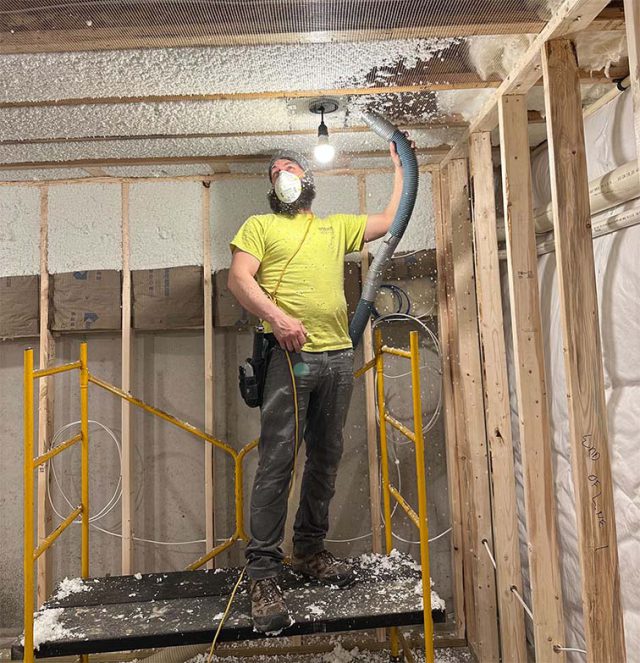
Upgrading your home’s insulation is one of the most cost-effective ways to reduce energy bills during Michigan’s spring and summer. From checking the depth of attic insulation to understanding spray foam vs. fiberglass vs. cellulose, a few targeted improvements can keep your home cooler in summer, warmer in winter, and more energy-efficient all year.
The reality is simple: home insulation energy savings start with understanding where your home is losing energy and making targeted upgrades that work for Michigan’s climate.
Not sure whether your insulation meets Michigan’s standards? A professional insulation evaluation can pinpoint where your home is losing energy, and where upgrades will make the biggest impact.
How Insulation Reduces Energy Costs in Warmer Months
When most people think about insulation, they think about winter. But insulation works year-round. In the summer, insulation slows the transfer of heat from outside into your home. That means your air conditioner doesn’t have to run as often or work as hard to maintain comfortable indoor temperatures.
Homes with proper insulation and air sealing will:
- Stay cooler during peak heat
- Maintain more consistent indoor temperatures
- Put less strain on HVAC systems
- Help reduce heating and cooling costs year-round
ENERGY STAR estimates that sealing air leaks and upgrading insulation can save homeowners an average of 15% on heating and cooling costs.
What to Check This Spring
Spring is the ideal time to assess your insulation before summer heat sets in. Focus on:
- Attic insulation depth (Michigan recommends R-49 to R-60)
- Signs of compressed, uneven, or missing insulation
- Moisture issues, especially in basements and crawl spaces
- Drafts around windows, doors, and attic penetrations
If your insulation isn’t meeting current R-value recommendations, your home is likely losing energy every day.
Choosing the Right Insulation Types for Michigan Homes
Not all insulation performs the same, especially in a climate like Michigan’s, where homes face both humid summers and cold winters.
Understanding the different insulation types Michigan homeowners rely on can help you choose the best solution for your home.
Fiberglass Insulation
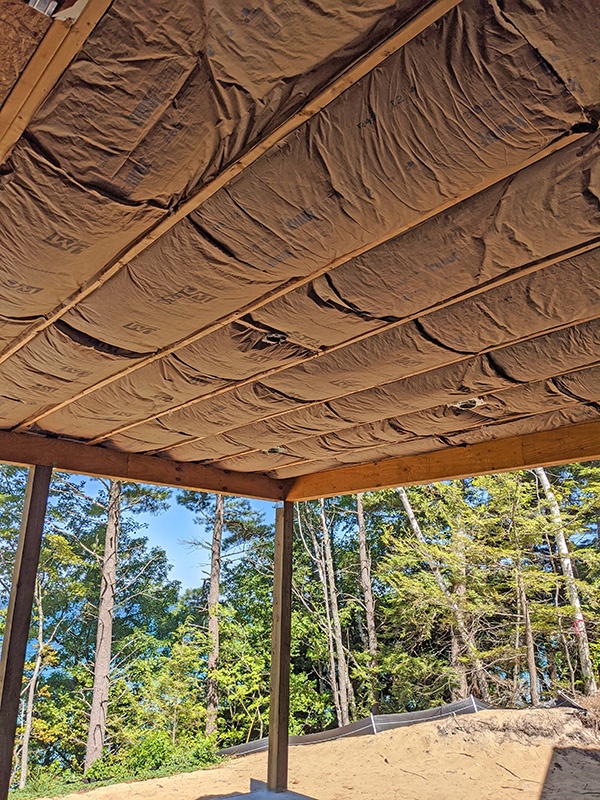 Fiberglass insulation is the most common and cost-effective option. It’s available in batts or blown-in form and works well when properly installed. Because fiberglass does not stop air movement on its own, it should be paired with proper air sealing for maximum performance.
Cellulose Insulation
Cellulose insulation is made from recycled materials and is ideal for filling irregular spaces. It’s commonly used in attics and existing wall cavities during retrofits. Like fiberglass, it performs best when combined with air sealing measures.
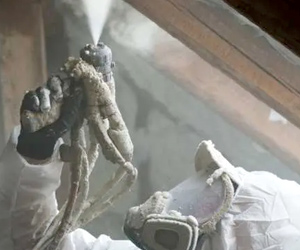
Spray Foam Insulation
Spray foam insulation provides both insulation and air sealing in one application. Closed-cell spray foam provides a high R-value per inch and adds moisture resistance. It’s especially effective in:
- Basements
- Crawl spaces
- Rim joists
- Hard-to-reach areas
For homeowners looking for maximum performance and long-term efficiency, spray foam is often the most effective solution.
Understanding R-Values in Michigan’s Climate Zone
Michigan buildings are constructed in Climate Zones 5A, 6A, and 7. Grand Rapids falls within Climate Zone 5A, which has specific insulation requirements based on the 2015 IECC. For optimal performance, recommended R-value recommendations include:
- Attics: R-49 to R-60
- Walls: R-20 or R-13 + continuous insulation
- Basement walls: R-15 continuous or R-19
The higher the R-value, the better the material resists heat flow. The DOE recommends that the insulation R-value depends on climate, heating/cooling system type, and the part of the house being insulated.
If your home falls below these standards, upgrading insulation is one of the fastest ways to improve energy efficiency Grand Rapids homeowners depend on for year-round comfort.
Where to Focus Your Insulation Upgrades First
If you’re looking to maximize return on investment, not all upgrades are equal.
1. Attic Insulation
Your attic is the single largest source of heat gain in summer and heat loss in winter.
Upgrading attic insulation to meet Michigan standards to meet or exceed R-49 can dramatically improve comfort and lower energy bills.
2. Basement and Crawl Space
Basements and crawl spaces are major sources of moisture and air leakage. Insulate walls and rim joists to prevent cold air infiltration and moisture issues. ENERGY STAR provides detailed guidance for sealing and insulating basements and crawl spaces.
3. Exterior Walls
Many older homes have insufficient insulation in wall cavities. Check for gaps or missing insulation behind outlets on exterior walls. Once found, blown-in or dense-pack insulation can fill existing wall cavities without major renovation.
Air Sealing: The Missing Piece Most Homeowners Overlook
Insulation alone is not enough. Even the best insulation won’t perform properly if your home has air leaks. Gaps around windows, doors, plumbing, and electrical penetrations allow conditioned air to escape and outside air to enter. That’s why air sealing is essential.
The Department of Energy recommends inspecting caulking and weatherstripping around doors and windows to prevent moisture and heat from entering the home. Seal air leaks before adding fiberglass or cellulose insulation for maximum effectiveness. When combined, insulation and air sealing deliver the biggest improvements in comfort and efficiency.
Michigan Energy Rebates and When to Hire a Professional
Upgrading insulation doesn’t have to be a full out-of-pocket expense.
Programs with Michigan energy rebates, such as Michigan’s Home Energy Rebates (MiHER) program, offer rebates for insulation and air sealing upgrades for qualifying households. Federal tax credits can also help offset the cost of improvements, making energy upgrades more accessible for homeowners.
When to Call an Insulation Contractor
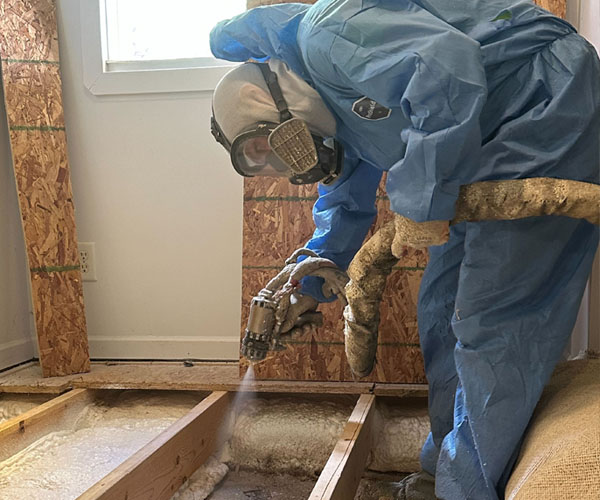
While some insulation improvements can be DIY, many require professional expertise. A qualified insulation contractor can:
- Ensure proper installation and coverage
- Meet Michigan building code requirements
- Recommend the best materials for your home
- Maximize long-term performance and savings
MSU Extension advises homeowners to hire professional insulation contractors for projects that require expertise and specialized equipment, especially spray foam installation and large-scale attic insulation. Michigan’s energy code (2015 IECC) includes specific R-value and air sealing requirements for Climate Zone 5A; a qualified contractor ensures compliance.
Frequently Asked Questions
What is the best insulation for Michigan homes?
It depends on your home and goals. Spray foam insulation offers the highest performance and air sealing, while fiberglass insulation is more affordable and widely used. Cellulose insulation is a great option for retrofitting existing spaces.
How much attic insulation do I need in Michigan?
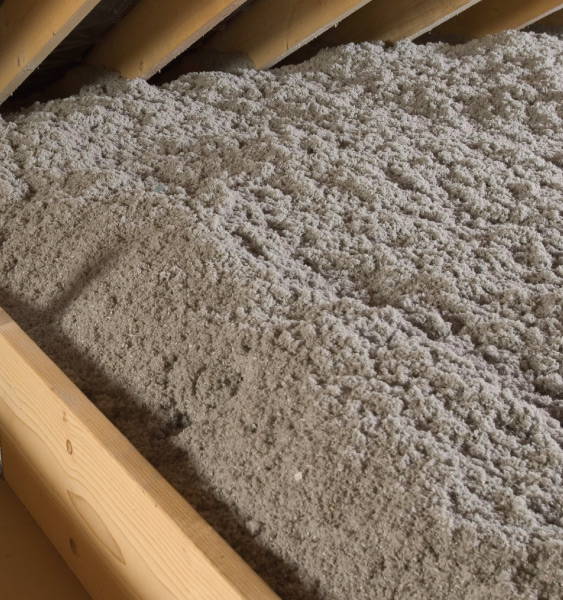 Most homes should have between R-49 and R-60 in the attic, which equals roughly 16–20 inches of fiberglass or 11–13 inches of cellulose.
Does insulation help in the summer?
Yes. Insulation resists heat flow in both directions, meaning that in summer it blocks outdoor heat from entering the home, reducing air conditioning demand and lowering energy bills
Are there rebates for insulation in Michigan?
Yes. Michigan’s MiHER program and the federal Inflation Reduction Act both offer financial incentives for insulation upgrades; homeowners can often combine state rebates with federal tax credits for greater savings
Upgrade Your Insulation Before Summer Costs Spike
Spring and summer are the best times to evaluate your insulation before extreme temperatures drive up energy costs.
The right combination of insulation type, proper R-value, and professional air sealing can significantly reduce heating and cooling costs, improve indoor comfort, and protect your home year-round.
Contact Whitson Insulation Company today for a free estimate. Our experienced team has been helping Grand Rapids homeowners improve energy efficiency and comfort since 1978.
References:
Michigan Department of Environment, Great Lakes, and Energy. (n.d.). *Energy efficiency in Michigan homes* [Residential energy code checklist]. https://www.michigan.gov/-/media/Project/Websites/egle/Documents/Programs/MMD/Energy/resources/residential-chklst.pdf
Michigan Department of Environment, Great Lakes, and Energy. (n.d.). *Home energy rebate programs*. https://www.michigan.gov/egle/about/organization/materials-management/energy/rfps-loans/home-energy-rebate-programs
Michigan State University Extension. (n.d.). *Improving home insulation for savings and comfort: Part 2 – Types of insulation*. MSU College of Agriculture and Natural Resources. https://www.canr.msu.edu/news/improving_home_insulation_for_savings_and_comfort_part_2_types_of_insulatio
Michigan State University Extension. (n.d.). *Improving home insulation for savings and comfort: Part 4*. MSU College of Agriculture and Natural Resources. https://www.canr.msu.edu/news/improving_home_insulation_for_savings_and_comfort_part_4
Michigan State University Extension. (n.d.). *Improving home insulation for savings and comfort: Part 5 – Hiring a contractor*. MSU College of Agriculture and Natural Resources. https://www.canr.msu.edu/news/improving_home_insulation_for_savings_and_comfort_part_5
ENERGY STAR. (n.d.). *Basement & crawlspace air sealing and insulating project*. U.S. Environmental Protection Agency. https://www.energystar.gov/saveathome/seal_insulate/basement_crawlspace
ENERGY STAR. (n.d.). *Why seal and insulate?* U.S. Environmental Protection Agency. https://www.energystar.gov/saveathome/seal_insulate/why-seal-and-insulate
U.S. Department of Energy. (n.d.). *Guide to home insulation*. Energy Saver. https://www.energy.gov/sites/prod/files/guide_to_home_insulation.pdf
U.S. Department of Energy. (n.d.). *Insulation*. Energy Saver. https://www.energy.gov/energysaver/insulation
U.S. Department of Energy. (n.d.). *Spring and summer energy-saving tips*. Energy Saver. https://www.energy.gov/energysaver/spring-and-summer-energy-saving-tips
U.S. Department of Energy. (n.d.). *Spruce up your home for spring and summer*. Energy Saver. https://www.energy.gov/energysaver/articles/spruce-your-home-spring-and-summer
U.S. Department of Energy. (n.d.). *Where to insulate in a home*. Energy Saver. https://www.energy.gov/energysaver/where-insulate-home
U.S. Department of Energy. (n.d.). *Energy-efficient home improvement credit: Insulation and air-sealing essentials*. Office of Energy Efficiency and Renewable Energy. https://www.energy.gov/eere/buildings/articles/energy-efficient-home-improvement-credit-insulation-and-air-sealing